Plastic Pellet Production
Material on the health impacts of plastic pellet production, the output of an ethane cracker plant.
Reports and information linking plastics production and processing to health risks and environmental hazards, gathered for Ohio Valley residents following the proposed PTT Global ethane cracker plant in Dilles Bottom, Ohio.
Get Involved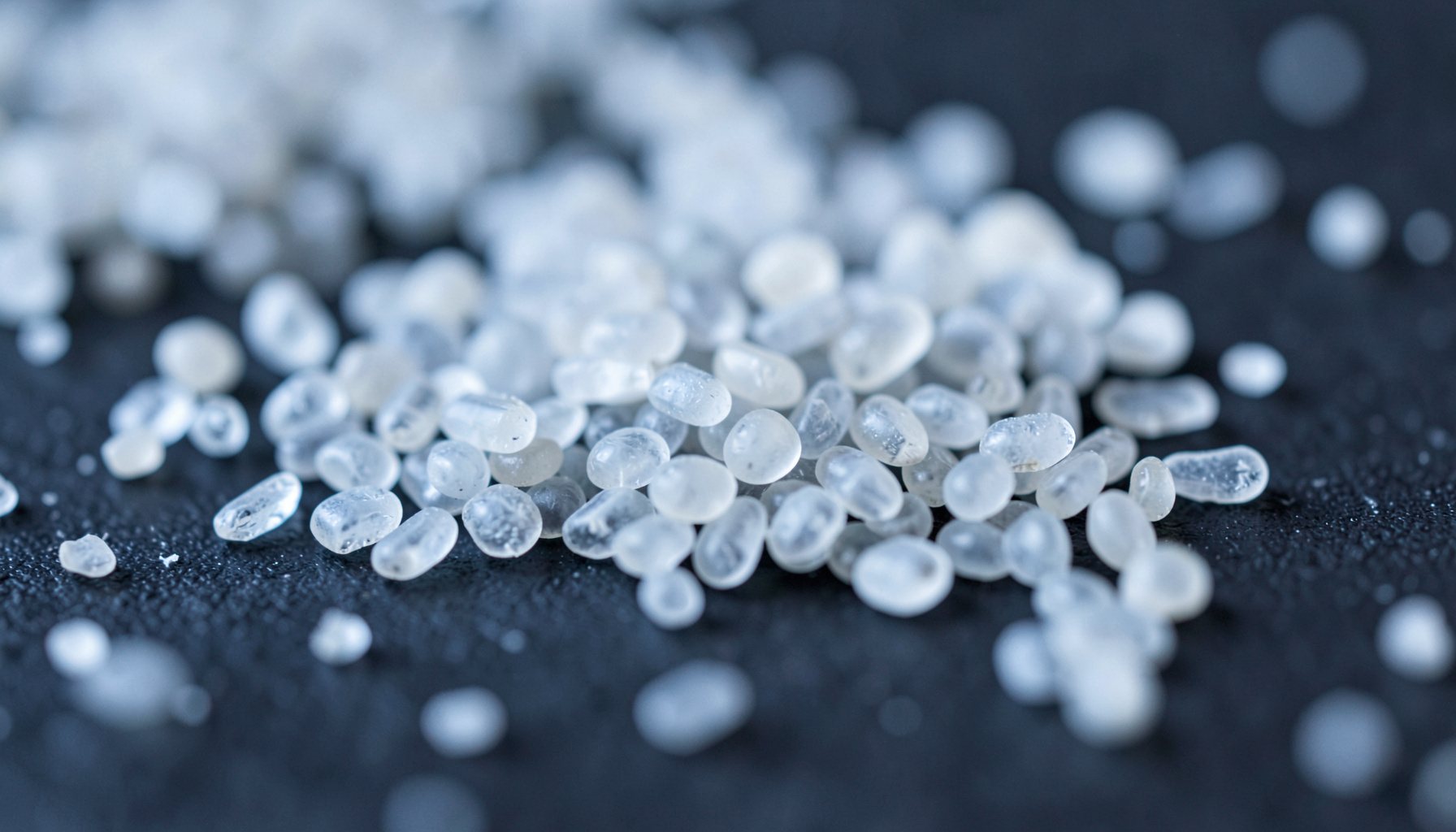
Cracker plants take ethane produced from fracked gas and turn it into plastic pellets. The reports collected on this page look at what that production chain means for public health and for the air, water, and land around the Ohio Valley.
Material on the health impacts of plastic pellet production, the output of an ethane cracker plant.
Connections between fracking, cracker plants, and public health, traced from gas extraction through to plastic manufacturing.
Information on environmental hazards tied to plastics processing, set against the proposed facility in Dilles Bottom, OH.
The PTT Global Chemical ethane cracker plant is proposed for Dilles Bottom, OH, about 5 miles south of Shadyside, OH, and directly west across the Ohio River from Moundsville, WV. PTT Global Chemical is a Thailand-based company.
Concerned Ohio River Residents (CORR) is a group of grassroots organizations, some national and some more local, alongside Ohio Valley citizens concerned about the toll the plant would take on health, air, water, and the future of the valley.
PTTG delayed the Final Investment Decision with no target date set.
The proposed ethane cracker plant in the Ohio Valley represents a significant shift in how the region's natural gas resources would be processed and used. Rather than simply extracting gas for energy, this facility would convert ethane into plastic pellets, creating a new industrial pipeline from fracking to finished plastic products. Community members and local organizations have raised serious concerns about what this means for air quality, water resources, and long-term environmental health. The scale of such a project demands careful scrutiny, and residents are working to understand the full implications before any final decisions are made about construction and operation in Dilles Bottom.
Plastics production from cracker plants carries documented risks that extend far beyond the facility's fence line. The process releases fine particulate matter, volatile organic compounds, and other pollutants that can travel through the air and settle into local water systems. For families living in the Ohio Valley, these emissions pose potential health concerns that merit serious attention. The collected reports on this page examine the connection between plastic pellet manufacturing and community wellness, drawing on research from environmental health experts and public health organizations who have studied similar facilities operating in other regions.
The push to build a petrochemical hub in Appalachia is part of a larger national trend toward expanding plastics infrastructure. Industry projections show growing demand for plastic products, but local residents are asking whether temporary economic benefits justify permanent changes to the landscape and community character. The Ohio Valley's beautiful natural surroundings and tight-knit communities stand to be affected for generations. Citizens organizing in opposition to the cracker plant are not simply against development, but rather advocate for a more sustainable vision that protects the region's air, water, and public health for the long term.
Getting involved with local efforts to monitor and respond to the proposed cracker plant is essential for anyone concerned about the future of the Ohio Valley. Public meetings, community organizing events, and informational sessions provide spaces for residents to learn more and share their perspectives. Elected officials at every level need to hear from constituents about the potential consequences of permitting such a facility. By staying informed through available reports and connecting with neighbors who share these concerns, community members can help shape a future that prioritizes health, sustainability, and the well-being of the region's families.
CORR works alongside partner organizations that share the concern about petrochemical build-out in the Ohio Valley:
To ask questions, share a report, or find out how to help, write to info@nocrackerplantov.com or wewantcleanwater@nocrackerplantov.com.