
Economics of Fracking/Cracker
A closer look at the financial promises — and hidden costs — of the proposed PTT Global ethane cracker plant for the Ohio Valley.
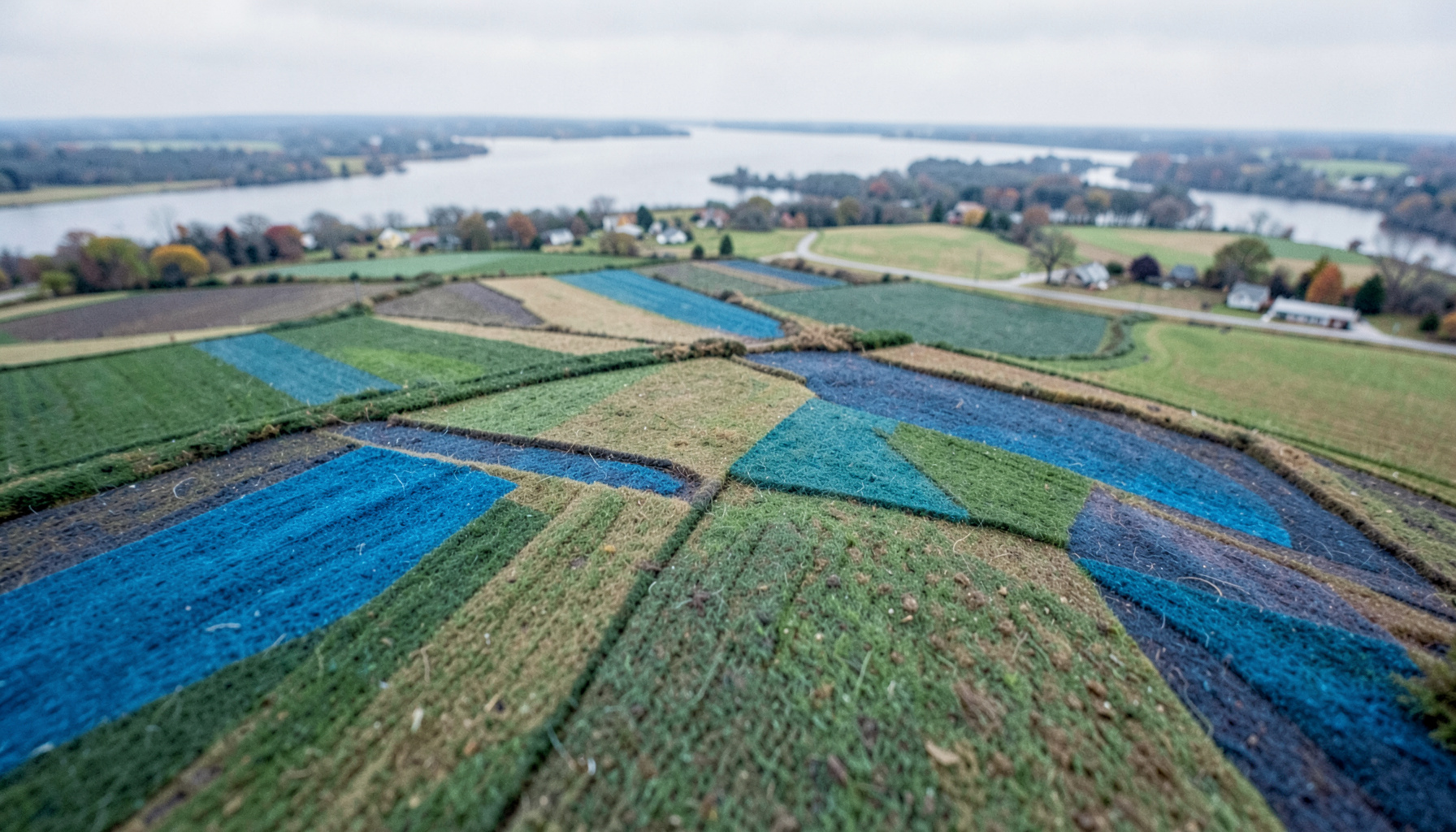
Cost-Benefit Analysis of the Proposed Project
Proponents of the PTT Global cracker plant in Dilles Bottom, Ohio, point to temporary construction jobs and a limited number of permanent positions. However, independent analyses suggest that the promised economic benefits often fail to materialize at the scale advertised. Tax incentives, infrastructure subsidies, and long-term environmental liabilities can shift the true cost onto local communities while profits flow to a Thailand-based corporation.
Impact on the Local Economy
Petrochemical build-outs can strain public services, depress nearby property values, and deter investment in cleaner industries. The Ohio Valley's strength lies in its natural beauty, small businesses, agriculture, and tourism — all of which face risk from large-scale industrial development. Short-term construction spending does not guarantee lasting prosperity for residents.
Long-Term Financial Sustainability Concerns
Ethane cracker plants are capital-intensive facilities with operational lifespans measured in decades. Market volatility in the plastics and petrochemical sector, combined with PTTG's repeated delays of its Final Investment Decision, raises serious questions about the project's financial viability. Communities that tie their futures to a single industrial facility may find themselves vulnerable to boom-and-bust cycles.
For more on how these facilities operate and what they mean for our region, visit our About Plant page.
Get InvolvedWhen large industrial projects promise transformative economic benefits for a region, the fine print often tells a different story. Local governments may offer substantial tax abatements and infrastructure improvements to attract such facilities, effectively subsidizing the venture with public money. Meanwhile, the jobs created may be fewer and less permanent than advertised, with many positions requiring specialized skills that draw workers from outside the community rather than employing local residents. There is also the matter of long-term financial risk: if the facility closes or an accident occurs, taxpayers can be left bearing cleanup costs and lost revenue. A clear-eyed look at these dynamics helps communities weigh temporary gains against lasting obligations.